As an Amazon Associate, we earn from qualifying purchases. Some links on this site are affiliate links at no extra cost to you. Our recommendations are based on thorough research and editorial judgment.

9 Best Self-Defense Books to Empower You With Essential Skills

Here are nine self-defense books that can empower you with essential skills. Start with “Pressure Point Fighting” for crucial striking techniques. The “U.S. Marine Close Combat Fighting Handbook” provides straightforward, practical methods. For cane users, “Cane Fighting” is invaluable. “Practical Joint Manipulation” covers advanced techniques for more experienced practitioners. Don’t miss “100 Deadly Skills,” which teaches situational awareness and personal safety. Each book offers unique insights, making them important resources for your self-defense journey. Keep on exploring to find what fits you best.
Key Takeaways
- Explore various self-defense techniques from books like *Pressure Point Fighting* that blend Eastern and Western martial arts principles for effective skill development.
- Consider *U.S. Marine Close Combat Fighting Handbook* for straightforward, practical instructions accessible to beginners and available for free in PDF format.
- Learn self-defense using everyday items with *Cane Fighting*, which provides clear techniques and illustrations for effective cane self-defense strategies.
- Advance your skills with *Practical Joint Manipulation*, focusing on submission techniques ideal for intermediate and advanced martial artists, complemented by visual aids.
- Enhance situational awareness and preparedness with *100 Deadly Skills*, offering practical insights and engaging illustrations from a former Navy SEAL’s perspective.
Pressure Point Fighting: A Guide to Striking Vital Points for Martial Arts and Self-Defense
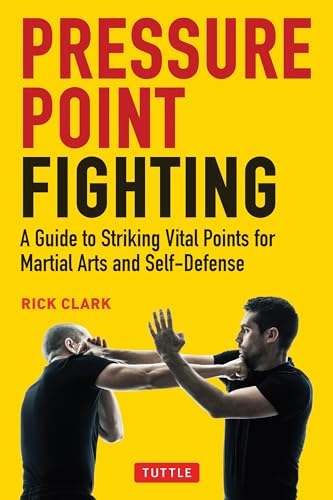

If you’re a mature martial artist seeking to deepen your understanding of self-defense, “Pressure Point Fighting: A Guide to Striking Vital Points for Martial Arts and Self-Defense” is an excellent choice. This book explores the intersection of Eastern and Western martial arts and medicine, offering insights that elevate your hand-to-hand combat skills. Start with the first 60 pages, as they serve as the foundation. You’ll find invaluable appendices that detail pressure points. While illustrations are present, be aware that some may lack clarity. Practice the straightforward techniques, but remember, keeping calm under pressure is essential for success in real situations.
Best For: Mature martial artists looking to enhance their self-defense skills and deepen their understanding of pressure points.
Pros:
- Provides a comprehensive analysis of the overlap between Eastern and Western martial arts and medicine.
- Contains valuable appendices detailing pressure points, supporting the techniques presented.
- Offers practical techniques that can effectively disable an attacker during an assault.
Cons:
- Some illustrations may be grainy and lack the detail needed for clear understanding.
- Explains concepts in a technical manner that can be overly complicated for some readers.
- Not recommended for beginners or overly confident practitioners due to its depth and complexity.
U.S. Marine Close Combat Fighting Handbook

The “U.S. Marine Close Combat Fighting Handbook” offers straightforward, easy-to-follow self-defense techniques. With step-by-step instructions and helpful diagrams, you can learn fundamental moves for both armed and unarmed situations. However, be aware that some images are difficult to see, which might hinder your understanding. The handbook emphasizes practical, real-world applications over flashy martial arts moves, helping you develop solid defensive skills. Although it doesn’t cover a wide array of techniques, its approach suits both children facing bullies and serious attackers. You can find it online in PDF format, but consider your options if printing quality matters to you.
Best For: Those seeking practical self-defense techniques, including beginners and individuals looking for straightforward methods to handle armed or unarmed confrontations.
Pros:
- Step-by-step instructions accompanied by clear diagrams make it easy to learn.
- Focus on practical, real-world self-defense applications rather than flashy techniques.
- Available for free in PDF format online, providing accessibility to a wider audience.
Cons:
- Some images in the book are poorly printed and difficult to see, which may affect comprehension.
- Limited variety of techniques, making it less comprehensive compared to earlier versions.
- Some may find the content more suitable for children dealing with bullies rather than serious self-defense situations.
Cane Fighting: The Authoritative Guide to Self-Defense with a Cane
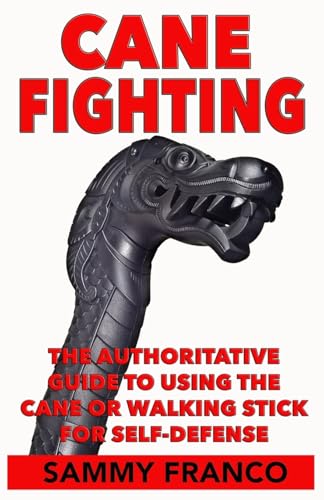
For anyone seeking practical self-defense techniques, “Cane Fighting: The Authoritative Guide to Self-Defense with a Cane” by Sammy Franco is an excellent choice. This thorough 233-page manual teaches you how to use a cane effectively in self-defense situations. It covers essential topics like cane selection, stances, and assault responses. You’ll appreciate the clear instructions and detailed photographs that guide you step-by-step. Franco emphasizes the importance of being prepared and presents legal considerations for using a cane defensively. Whether you regularly use a cane or not, this book is a valuable resource for personal safety in today’s world.
Best For: Individuals looking for effective self-defense techniques using a cane, including both martial artists and those with no prior training.
Pros:
- Clear instructions and detailed photographs make the techniques easy to follow and understand.
- Comprehensive coverage of essential topics such as cane selection, handling techniques, and legal considerations for self-defense.
- Practical application emphasizes preparedness for real-world situations, enhancing personal safety.
Cons:
- Some readers reported minor editorial issues, including disjointed pagination and spelling errors.
- Visualization of motion sequences may be challenging for novice learners due to complexity.
- Lacks advanced techniques that may be beneficial for more experienced martial artists.
Practical Joint Manipulation: For Fighting and Self-Defense
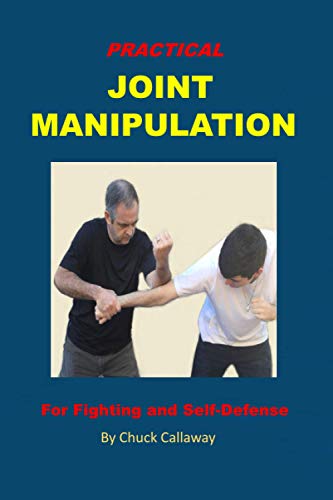
Looking to enhance your self-defense skills? “Practical Joint Manipulation: For Fighting and Self-Defense” by Chuck Callaway is tailored for intermediate to advanced martial arts students. This 125-page manual covers essential open-hand submission techniques. Each of its nine sections promotes clear understanding and practical application.
Practice is essential. Pair your reading with hands-on training with a partner to develop muscle memory. Visual aids, like YouTube videos, can further clarify techniques. With a focus on effective control minimizing harm, this book is especially valuable for women and security professionals. Overall, it equips you with important skills to enhance your self-defense strategies.
Best For: This book is best for intermediate to advanced martial arts students, women seeking personal safety strategies, and security professionals who prefer non-violent control methods.
Pros:
- Provides clear explanations and demonstrations of joint manipulation techniques.
- Emphasizes the importance of practical application and muscle memory through hands-on training.
- Serves as a valuable resource for self-defense, focusing on effective control with minimal harm.
Cons:
- Cannot replace the need for training with an experienced instructor.
- Terminology may differ from traditional martial arts, which could cause confusion for some readers.
- May require supplementary visual aids like videos for better understanding of techniques.
100 Deadly Skills: The SEAL Operatives Guide

If you’re someone who values safety and preparedness in your daily life, “100 Deadly Skills: The SEAL Operatives Guide” is an essential resource. This practical guide by former Navy SEAL Clint Emerson presents important skills you can use in various situations. Each skill is clearly explained and accompanied by step-by-step graphics, making it easy to learn and apply.
The book covers critical areas like situational awareness, self-defense, and personal safety. For example, mastering hotel room security can protect you while traveling. By understanding escape techniques from restraints, you will feel more prepared for unexpected dangers.
Best For: Individuals seeking to enhance their personal safety and preparedness through practical skills applicable in everyday life.
Pros:
- Offers a comprehensive range of skills that cater to various scenarios and situations.
- Provides clear explanations paired with step-by-step graphics, making the content easy to understand and apply.
- Engaging illustrations and a mix of serious and entertaining elements keep readers interested while educating them on survival strategies.
Cons:
- Some techniques may seem extreme or impractical for everyday use.
- Certain skills could be viewed as unnecessary or overly cautious by some readers.
- The focus on survival may not appeal to all audiences, particularly those less concerned with personal safety.
Self Defense Made Simple: Easy and Effective Self Protection Guide
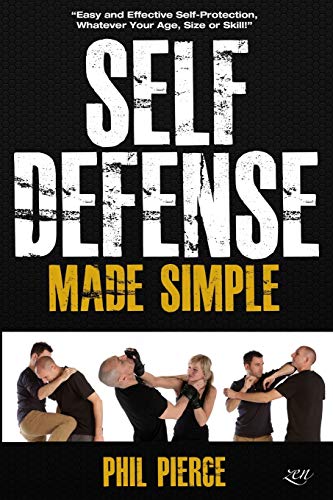
“Self Defense Made Simple” stands out as an excellent choice for individuals seeking practical self-defense knowledge, especially women and those under 30. This guide simplifies techniques for anyone, regardless of age or skill level. Focus on effective moves like palm strikes and hammer fists; these can be quickly learned and applied in real situations.
The book emphasizes target areas, which are vital for self-defense. Aim for vulnerable spots, and practice using your fists, knees, or elbows. Remember, avoiding confrontation is key, so flee when possible. With clear instructions and helpful illustrations, you can gain essential skills to empower your safety.
Best For: Individuals seeking practical self-defense knowledge, especially women and those under 30.
Pros:
- Simplifies self-defense techniques, making them accessible for all skill levels.
- Emphasizes avoidance and de-escalation as primary strategies for personal safety.
- Includes helpful illustrations for clear understanding of techniques.
Cons:
- Lacks comprehensive strategies compared to more advanced self-defense resources.
- Some techniques may appear questionable or less effective to experienced practitioners.
- Full understanding may require additional reference to the author’s other works.
100 Deadly Skills: Combat Edition
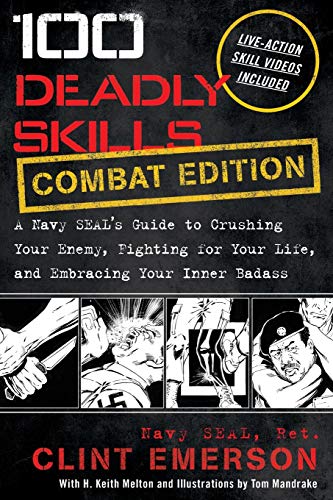
For anyone serious about self-defense, “100 Deadly Skills: Combat Edition” is an essential resource. Written by Navy SEAL Clint Emerson, this guide covers practical combat techniques that go beyond sport martial arts. You’ll learn skills for real-life threats, structured in 16 parts with clear illustrations. Techniques like Tony Blauer’s Spear and Krav Maga methods are explained step-by-step. Use the embedded QR codes to access instructional videos, enhancing your understanding. This interactive feature helps you see the techniques in action. Whether you’re a beginner or experienced martial artist, this book will strengthen your self-defense skills and confidence.
Best For: Individuals serious about self-defense and looking for practical combat techniques beyond sport martial arts.
Pros:
- Comprehensive coverage of real-life self-defense techniques, including contributions from esteemed martial artists.
- Interactive learning through embedded QR codes linking to instructional videos enhances understanding and practice.
- Clear illustrations and structured content make it accessible for both beginners and experienced martial artists.
Cons:
- Some techniques may be considered basic for highly experienced martial artists.
- The focus on practicality may lack the depth that some readers seek in traditional martial arts training.
- Limited appeal for those primarily interested in sport martial arts rather than real-world self-defense situations.
Complete Krav Maga: The Ultimate Guide to Self-Defense Techniques

Krav Maga enthusiasts, whether you’re a novice or an experienced martial artist, will find “Complete Krav Maga: The Ultimate Guide to Self-Defense Techniques” to be an indispensable resource. This book features over 250 techniques, well-organized by belt level, making it easy to find what you need. The clear descriptions and effective illustrations help you understand each move thoroughly.
Best For: Krav Maga enthusiasts of all levels, from beginners to experienced martial artists, looking to enhance their self-defense skills.
Pros:
- Comprehensive Coverage: Features over 250 self-defense techniques, organized by belt level and situation for easy navigation.
- Clear Instructions: Provides detailed descriptions and effective illustrations, making it easy to understand and master techniques.
- User-Endorsed Resource: Highly recommended by users for its instructional value and usefulness in belt test preparation.
Cons:
- Not a Substitute for Classes: Should be used as a companion resource, as practical training and sparring experience are crucial for mastering techniques.
- Limited New Content: The second edition may not offer significant new material compared to the first edition, leaving some users wanting more.
- Prerequisite Knowledge Recommended: While accessible to beginners, a foundational understanding of other martial arts styles can enhance the learning experience.
The Law of Self Defense: The Indispensable Guide to the Armed Citizen

Understanding the laws surrounding self-defense is essential for anyone who wishes to protect themselves and their loved ones. In “The Law of Self Defense,” Andrew Branca lays out five core principles vital for armed citizens. First, recognize your innocence: it can be lost or regained. Next, assess imminent threats through the Ability, Opportunity, and Jeopardy triad. Then, apply proportionality when deciding between deadly and non-deadly force. Don’t forget to take into account your duty to retreat based on local laws. Finally, always act reasonably to strengthen your legal defense. Learn these principles to navigate self-defense situations effectively and responsibly.
Best For: Individuals seeking to understand self-defense laws and improve their legal knowledge surrounding personal safety and armed encounters.
Pros:
- Comprehensive Guide: Covers essential concepts of self-defense law with practical examples and case studies.
- State-Specific Information: Provides insights into varying laws across different states, enhancing personal legal awareness.
- Emphasizes Prevention: Focuses on awareness and prevention strategies, not just physical self-defense techniques.
Cons:
- Legal Complexity: The content may be complex for readers without a legal background to fully grasp all nuances.
- Potential for Misinterpretation: Misunderstanding key principles could lead to dangerous or legally questionable actions in a self-defense situation.
- Not a Substitute for Legal Advice: The book is informative but does not replace personalized legal counsel for specific situations.
Factors to Consider When Choosing a Self Defense Book
When choosing a self-defense book, you need to think about a few key factors. First, consider if the content matches your skill level and target audience; a beginner wouldn’t benefit from advanced techniques. Next, check the author’s credentials and the quality of illustrations, as these elements directly influence how effectively you’ll learn and apply the techniques.
Target Audience Relevance
How do you determine which self-defense book best suits your needs? Start by identifying your experience level. If you’re a beginner, choose books that focus on basic techniques and principles. These resources make self-defense accessible and easier to grasp. For those with some martial arts experience, look for intermediate and advanced guides. They provide more technical skills, enhancing your expertise.
Next, consider specific user groups. If you’re in law enforcement or have disabilities, find resources tailored to your unique challenges. Finally, pay attention to the author’s tone. Casual, encouraging styles may engage novices better, while seasoned practitioners often prefer detailed, technical discussions. This careful selection will guarantee the book’s relevance to your self-defense journey.
Technique Complexity Level
Selecting a self-defense book means carefully considering the complexity of the techniques it covers. Start by evaluating your current skill level. If you’re a beginner, look for books that simplify techniques and focus on basic moves. Advanced texts can be overwhelming if you lack prior experience. Seek books that provide clear, step-by-step instructions and visual aids, as these enhance your understanding. Pay attention to the terminology; avoid overly technical language that complicates grasping complex techniques. Additionally, make sure the book aligns with your self-defense goals. If you prefer straightforward moves, prioritize texts that emphasize simplicity. This approach not only makes learning easier but also keeps you motivated as you develop your self-defense skills effectively.
Practical Application Clarity
Practical application clarity is essential for anyone serious about learning self-defense. When choosing a self-defense book, look for clear and straightforward techniques. If explanations are overly technical, you might struggle to grasp the concepts. Verify the book balances clarity with thorough coverage of skills.
Visual aids, like diagrams, enhance understanding and provide necessary guidance. Remember, practical application isn’t just about theory; it requires hands-on practice with a partner. Seek resources that encourage real-life testing of techniques to build your confidence. By focusing on clarity and hands-on training, you’ll be better prepared for any self-defense scenario. Making these considerations will empower you in applying what you learn effectively and efficiently.
Illustration Quality Importance
When you’re diving into self-defense, the importance of illustration quality can’t be overstated. High-quality illustrations enhance your understanding of techniques. They help you visualize and correctly execute self-defense moves. Clear and detailed diagrams reduce misunderstandings, making it easier to grasp complex concepts. Grainy or poorly printed images can frustrate you and lower your confidence in applying techniques.
Good visual aids serve as quick references during practice, reinforcing your muscle memory and technique retention. Well-illustrated content caters to various learning styles, benefiting both visual learners and beginners. When selecting a self-defense book, verify the illustrations are sharp and informative. Strong visuals create a solid foundation for your self-defense skills and empower you to respond effectively in real situations.
Author’s Expertise and Credentials
Choosing a self-defense book involves more than just picking a title that looks appealing. First, examine the author’s background. Look for individuals with experience in martial arts, law enforcement, or military training. This guarantees they have practical knowledge of self-defense techniques. Also, authors with multiple publications often offer a more extensive perspective based on research and hands-on experience.
Next, check for credentials from recognized martial arts organizations or elite military units. This often indicates a profound understanding of effective strategies. Look into whether the author has taught self-defense courses, as teaching experience enhances clarity. Finally, search for endorsements from credible figures in the self-defense community—this can reflect the reliability and expertise of the content.
Legal Considerations in Defense
Understanding legal considerations in self-defense is essential for anyone looking to protect themselves. First, recognize that self-defense laws vary by state, affecting when and how much force you can use. Familiarize yourself with key principles like innocence, imminence, and proportionality. These concepts help establish a solid legal defense if needed.
Next, be aware of the implications following a self-defense incident. You’ll likely need to communicate with law enforcement, and this can impact your case’s outcome. Consider that laws regarding defending others and property have specific requirements, which require a clear understanding of the situation.
Lastly, always stay informed about potential civil liabilities that can arise from using force, especially deadly force. This knowledge is crucial for making sound decisions.
Frequently Asked Questions
Are Self-Defense Books Suitable for All Ages?
Self-defense books can be suitable for all ages. Research shows that children as young as 5 can learn basic self-defense concepts. To determine suitability, consider the content’s complexity. Choose age-appropriate books that teach essential skills without graphic violence. Start by reviewing the topics covered, and guarantee they are relevant to the age group. Encourage discussions after reading to reinforce learning. This helps everyone understand how to apply the techniques safely and effectively.
How Do I Choose the Right Self-Defense Book for Me?
To choose the right self-defense book for you, start by identifying your goals. Decide if you’re looking for practical techniques or general awareness. Next, consider your experience level; beginners need foundational lessons, while advanced learners may seek specialized skills. Read reviews to find books with clear instructions and illustrations. Finally, check the author’s credentials to guarantee they have real-world experience. Selecting wisely will enhance your learning and confidence in self-defense.
Can Self-Defense Books Replace Formal Training?
Self-defense books are like maps—they provide valuable guidance, but they can’t replace the experience of hands-on training. While these books teach techniques and strategies, true skill comes from practice. You need to participate in drills, sparring, and real-life scenarios to understand how to apply what you read. So, use self-defense books as a supplement. Combine them with actual training to build confidence and effectiveness in self-defense situations.
Are There Self-Defense Books Focused on Mental Preparedness?
Yes, there are self-defense books that focus on mental preparedness. These books help you develop a mindset suited for potentially dangerous situations. Look for titles that cover situational awareness, threat assessment, and emotional resilience. They often include exercises to strengthen your mental focus. By reading these, you’ll learn to stay calm under pressure, making better decisions when it matters most. This mental training can enhance your overall self-defense skills considerably.
Do Self-Defense Books Cover Legal Aspects of Self-Defense?
Yes, many self-defense books address the legal aspects of defending yourself. Understanding laws in your area helps you act responsibly. Check for sections that outline what constitutes justifiable force. These books often emphasize the importance of knowing when to use self-defense and its potential consequences. If you’re serious about your safety, grasping these legalities can protect you from future legal issues. Remember, knowledge is an essential part of any self-defense strategy.