As an Amazon Associate, we earn from qualifying purchases. Some links on this site are affiliate links at no extra cost to you. Our recommendations are based on thorough research and editorial judgment.


How Do I Attach Morale Patches Without Damaging the Fabric?

To attach morale patches without damaging fabric, consider these methods. First, use iron-on patches on cotton or canvas at 350°F, applying pressure for one minute. Alternatively, use Velcro for easy removal; sew loop panels on the fabric, allowing patches to attach securely. For a permanent solution, sew patches for durability, resisting fraying and wear. Fabric glue offers a strong bond for various fabrics; verify the area is clean first. Magnetic patches are another non-invasive option. More techniques are available for different needs.
Key Takeaways
- Use Velcro for easy attachment and removal without damaging delicate fabrics, ensuring patches can be customized frequently.
- For a durable, permanent option, sew patches onto the fabric to prevent fraying and separation over time.
- Iron-on patches should be applied on compatible fabrics like cotton or denim at 350°F with a protective cover cloth to avoid damage.
- Fabric glue, such as Gorilla Fabric Glue, can provide a strong bond if surfaces are clean and dry before application.
- Magnetic patches allow non-invasive attachment; ensure they are used on thicker fabrics to prevent bulging.
Iron-On Patch Attachment Techniques
When attaching iron-on patches, understanding the materials and techniques involved is essential. Begin by verifying the patch’s heat settings and fabric compatibility. Ideal fabrics for bonding include cotton, denim, and canvas, as they withstand high temperatures. Lay the garment flat and wrinkle-free, then position the patch adhesive side down, confirming accurate patch placement. Preheat your iron to 350°F without steam. Use a protective cover cloth over the patch, then apply steady pressure in slow, circular motions for about one minute. If edges remain loose, repeat the process. Finally, allow the fabric to cool completely before inspecting for secure attachment. Following these steps strictly will enhance the longevity of your iron-on patch while protecting the fabric beneath. Remember to consider material quality as it impacts durability and overall appearance.
Recommended Products

👕 UPGRADED High Efficient Control Box 👕 Two new functions were added on this 2024 newest heat press machine:The counting function, which can count the amount of the items been printed, thus to make the mass production easier; Mode-chosen function, pre-set the mode on temperature and time, avoid the repeating work on time and temperature setting to be more efficient.

Beautiful To Look & Cost-Effective: AKEYDIY latest Upgrade Mint+White heat press - satisfy your needs for high quality and refinement, multi-purpose 15x15 heat press saves space and time good for personalized DIY gifts for your loved ones and clients (shirts/flat items (likes totes), ceramic plates, hats, and multiple sizes of cups/mugs and more) Because of the versatility this It is a good value for the money and great for the home crafter and starter machine
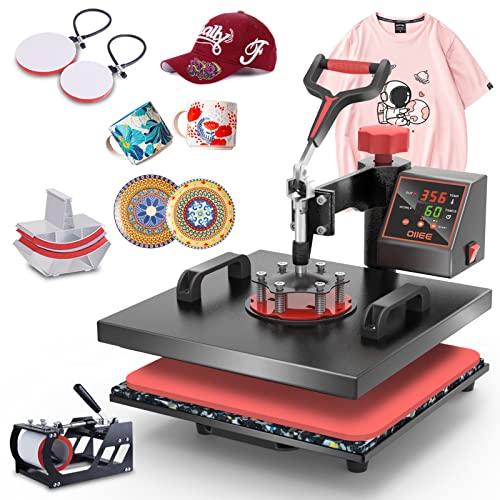
🔧 𝟓-𝐢𝐧-𝟏 𝐇𝐞𝐚𝐭 𝐏𝐫𝐞𝐬𝐬 𝐌𝐚𝐜𝐡𝐢𝐧𝐞 – 𝐀𝐥𝐥-𝐢𝐧-𝐎𝐧𝐞 𝐓𝐫𝐚𝐧𝐬𝐟𝐞𝐫 𝐒𝐨𝐥𝐮𝐭𝐢𝐨𝐧 🔧 This versatile heat press machine combines five functions in one: a 15×15″ T-shirt heat press, 11oz mug heat press, hat heat press, and two plate heat press attachments. Ideal for custom printing on shirts, mugs, caps, plates, bags, mouse pads, and more. Whether you're a beginner or a pro, this 5-in-1 heat press is perfect for your small business or DIY projects.
Utilizing Velcro for Easy Patch Removal

Utilizing Velcro for easy patch removal offers a practical solution for those seeking flexibility and longevity in their garments. This two-part hook-and-loop system allows patches to attach securely without sewing or adhesives, preserving fabric integrity. Select high-quality loop panels sewn onto the fabric for superior performance. Attach hook patches to these loop panels, ensuring a safe connection that does not damage delicate materials. The versatility of Velcro supports quick customization, allowing changes in morale messages or unit insignia without altering clothing. Regularly inspect the hook and loop surfaces to maintain their effectiveness. Ultimately, the longevity of Velcro patches far exceeds that of adhesive-back alternatives, making them ideal for tactical gear and everyday apparel alike. Incorporating high-quality embroidery in your patch designs ensures both durability and visual impact.
Recommended Products
10-panel setup provides a large amount of presentational space.

2-Piece Fabric Doors provide full-door coverage when needed, convert to half-doors in seconds for open air ride

【Heavy Duty Alloy Steel Frame】The upgraded 13x26 commercial pop up canopy tent frame can hold up to 220 lbs (100 kg) on a single pole. The frame can hang 11 adults at the same time! Can withstand 4 winds.(<18 mph). 13x26 party tent with an upgraded alloy steel full truss structure, and reinforced plastic parts at the stress points at the intersection of the peaks and poles. 13x26 heavy duty canopy frame with powder coated coating guarantees rust resistance and corrosion resistance.
The Benefits of Sewing Patches for Durability
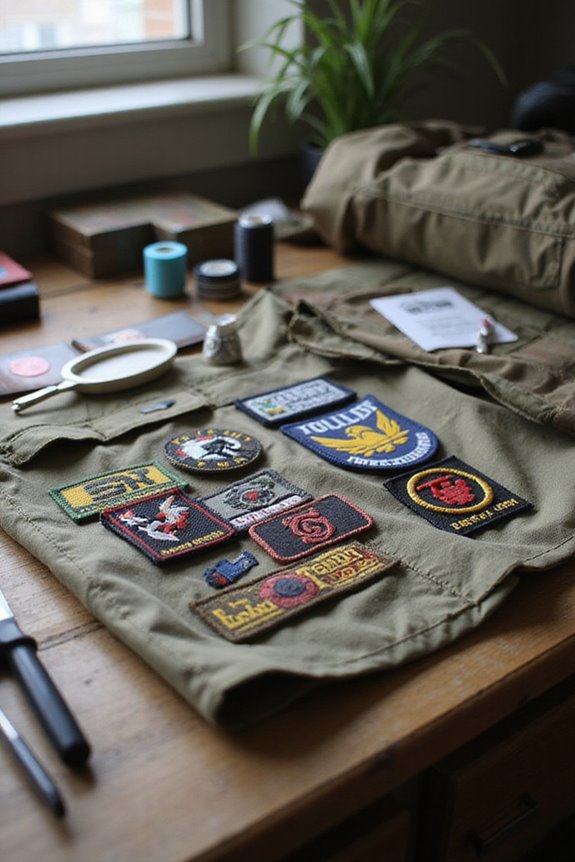
Sewing patches onto garments greatly enhances their durability compared to attachment methods like Velcro or adhesives. Sewn patches provide a permanent attachment, ensuring they withstand frequent use and washing. This method enhances sewn patch longevity by resisting fraying and peeling, especially when using embroidered patches. The stitching also allows fabric to flex naturally, preventing patch separation. Additionally, sewn patches protect the fabric by minimizing entry points, which reduces damage. The structural support from reinforced thread prevents issues like patch curling or fabric distortion. Unlike adhesives, sewing tolerates harsh conditions without degrading. This combination of durability and fabric protection makes sewing the most reliable option for maintaining presence and integrity of morale patches. Moreover, using high-quality materials ensures that the patches remain vibrant and intact over time.
Recommended Products

100% Made in the U.S.A.: Annin Flagmakers has been proudly making the U.S. Flag since 1847; made in our factories in South Boston, Virginia, and Coshocton, Ohio

★ Glow in The Dark Embroidery Machine Thread: A special thread which will glow in the dark after exposing to the natural or artificial light. Exposing the thread to light about 20 mins will keep it glow in dark about 3 hrs. And the glow in the dark embroidery thread can be "recharged" over and over again by absorbing light. It is a great way to add fun and personality to all kinds of your embroidery projects. 16 popular pastel colors will give you more choices to do creative patterns.

[ Complete Beginner Embroidery Kit for Adults ] This premium DIY kit includes: 100 different colored thread, 4 sewing hoops (2 20cm/7.9 inches, 1 16cm/6.3 inches, and 1 12.3cm/4.8 inches), 1 automatic needle threader, 1 seam ripper, 1 scissor, 2 adjustable thimbles, 1 untwist tool, 1 measuring tape, 2 water-soluble pens, 1 small pin cushion, 40 pins with colored heads, 1 thread wax, 30 embroidery needles, 4 flower-shaped threading tools, 3 27×27cm basic needle and thread fabrics, 2 25×25cm blank fabrics, 2 plastic thread holders, 1 thimble, 4 leg racks, 1 manual, & 1 sticker. A top pick among adult craft kits.
Exploring Fabric Glue and Adhesive Options

Fabric glue and adhesive options present a practical alternative to sewing for attaching morale patches. Various types of fabric glues are suitable for different fabric types, guaranteeing proper adhesion without damage. Gorilla Fabric Glue provides a strong, washable bond, while Aleene’s Fabric Fusion is ideal for a clear and quick application. Use acid-free glue for delicate materials like silk to prevent discoloration. Ascertain surfaces are clean and dry before applying glue evenly under the patch. Apply firm pressure post-placement to avoid air pockets. Remember to check adhesive safety; choose non-toxic options for pieces worn against the skin. These simple steps guarantee the durability of patches while maintaining the integrity of materials used. Additionally, consider using durable fabric types that offer a strong hold for the patches to prolong their lifespan.
Recommended Products

We can customize your patches to make them perfect for your club, business or group. Our talented artists will be glad to help you craft patches that are right for you and your organization. We make patches for clothes, jackets, jeans, hats, beanies, backpack, bags, wallets and so on.

50 Yards | Hot Yellow, 2 inch width.

You will get a large amount of 50PCS tactical patches at random with different patterns of hook-loop patches for decoration.
Magnetic Patch Attachment for Non-Invasive Use
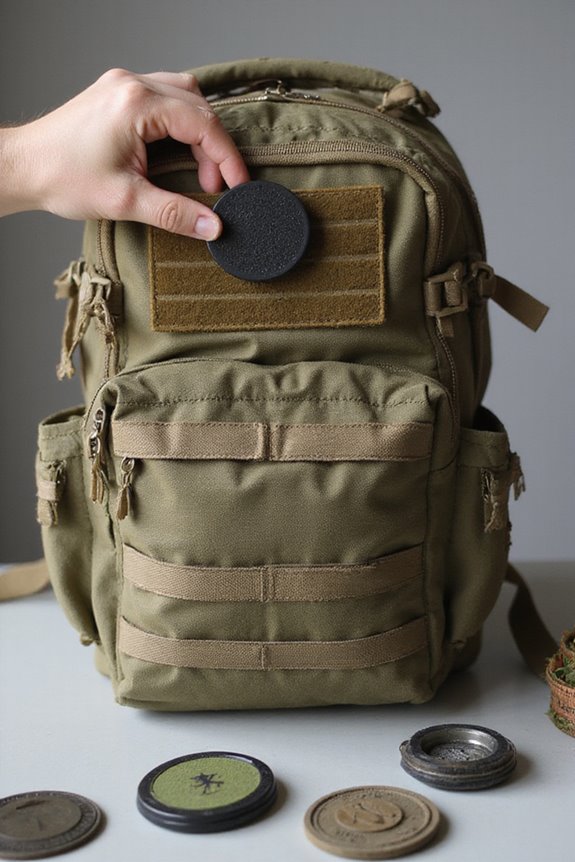
Magnetic patch attachment offers a secure and non-invasive method to display patches on clothing and accessories. This system utilizes strong neodymium magnets, guaranteeing that patches hold firmly without damaging the fabric. To attach a patch, place one magnet inside the garment and the other on the patch itself. This simple setup allows for easy removal and customization. To verify ideal magnetic strength, test the placement before regular use. Regular patch maintenance is essential, including removing patches before washing and keeping magnets clean of dust. Avoid thin fabrics that may bulge due to pressure. With proper care, this method allows for flexible and stylish patch display without any permanent alterations to your clothing. Additionally, utilizing a breathable design in patches can prevent discomfort during extended wear.
Recommended Products

New! 147 high performance magnets!

Elite Neodymium Set: Our professional biomagnetic magnet kit includes the most powerful neodymium magnets with the following combination: (8 Small Round - 40mm x 50mm) / (8 Medium Round - 46mm x 66mm) / (4 Large Round - 59mm x 78.50mm). Each magnet has a surface gauss of over 2,000 gauss. The polarity of each magnet is accurately labeled with the positive (+) polarity indicated by the red side and the negative (-) polarity indicated by the black side, ensuring precise placement for optimal results.

Optimized Drum Mic Kit Design: This dynamic microphone features a tailored frequency response specifically engineered for kick drums and bass instruments. It delivers superb attack and punch, capturing the full low-end thump, while maintaining studio-quality sound clarity even at extremely high sound pressure levels. Ideal for heavy-hitting drummers and bass-heavy genres.
Frequently Asked Questions
Can I Wash My Garments With Attached Patches?
Approximately 70% of garment damage occurs during washing. To maintain patch durability, hand washing is advised over machine methods. Gentle techniques preserve both fabric integrity and patch adhesion, ensuring long-lasting wear of decorated garments.
How Do I Remove an Iron-On Patch Without Damage?
To effectively execute iron-on patch removal techniques, one must prioritize fabric care tips, including using low heat to soften adhesive, mechanical tools for careful lifting, or solvents to minimize damage while preserving the garment’s integrity.
Will Velcro Patches Leave Residue on Fabrics?
While Velcro patches typically don’t leave residue on fabrics, improper care can lead to dirt accumulation. Fabric care is essential; cleaning and maintaining Velcro guarantees longevity and prevents unwanted residue from hindering the fabric’s integrity.
Can I Attach Patches to Synthetic Fabrics Safely?
Attaching patches to synthetic fabrics safely requires careful consideration of fabric compatibility and appropriate patch application methods. Utilizing specialized adhesives or low-heat techniques minimizes damage while ensuring strong bond durability between patches and fabric.
Are There Specific Brands of Fabric Glue Recommended?
When it comes to fabric glue options, several popular brands stand out. Each offers unique application techniques, ensuring durability and ease of use, allowing individuals to effectively adhere patches while maintaining fabric integrity without a hitch.