As an Amazon Associate, we earn from qualifying purchases. Some links on this site are affiliate links at no extra cost to you. Our recommendations are based on thorough research and editorial judgment.

How Do I Transport Dioramas Without Breaking Details?

To transport dioramas without breaking details, assess their fragility first. Identify thin parts and evaluate made materials for brittleness. Pack them in a rigid box, ensuring a snug fit. Use bubble wrap for cushioning and consider disassembling larger pieces. Secure components with magnets for stability. Control the environment during transit by managing temperature and moisture. Finally, conduct a post-transport inspection to identify any damage. Following these steps helps preserve delicate features. More tips follow.
Key Takeaways
- Disassemble the diorama into modular sections and secure each part with bubble wrap to provide cushioning during transport.
- Use a rigid box that closely fits the diorama to minimize movement and prevent stress on fragile details.
- Incorporate magnetization techniques to keep components secured in place and reduce the risk of damage while moving.
- Use moisture barrier bags with desiccants to control humidity levels and protect against environmental damage during transit.
- Conduct a thorough post-transport inspection, documenting any damage and ensuring the diorama remains intact for future displays.
Assessing the Diorama’s Fragility
When evaluating a diorama’s fragility, the first step is to examine its structural complexity and detail density. Fragility indicators include the presence of intricate connections or high-detail elements, which are more susceptible to damage. Consideration must be given to thin, elongated parts like antennas or branches, as these can bend or snap easily. Evaluate the materials used; brittle ones, such as resin, have low impact resistance. Additionally, look for fragile connections, particularly those with only adhesive bonds. Evaluating the weight distribution is essential too, as uneven loads may lead to torque and stress on weak points. By identifying these key aspects, one can better prepare to protect the diorama from potential damage during transport. Additionally, understanding impact protection foam can help in selecting suitable packaging materials that absorb shocks and safeguard delicate components.
Recommended Products

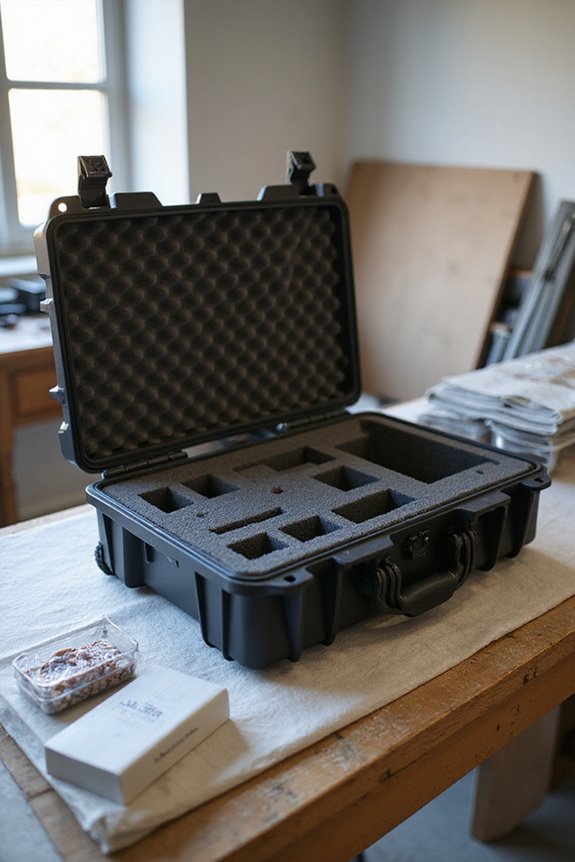
Size Introductions: package contains 28 pieces 16"x14" quick expanding foam bags, these foam bags are recommended for use with an 8" x 8" x 8" box size; Compared with traditional wrap, our packing foam is small and easy to carry, does not take up space, and is convenient for storage

Package Includes: you will receive 4 pieces of polyethylene foams in black color, enough quantity to meet your packing and craft needs, providing additional protection for your precious items

【Quality Material】Tool box foam sheets are made of high density polyurethane material, light weight, soft and reliable. With high resilience and cushioning, case foam paddings are a good protective layer for valuables and fragile things. Durable material, no deformation and tear resistant, good choice for long term using.
Proper Packaging Techniques

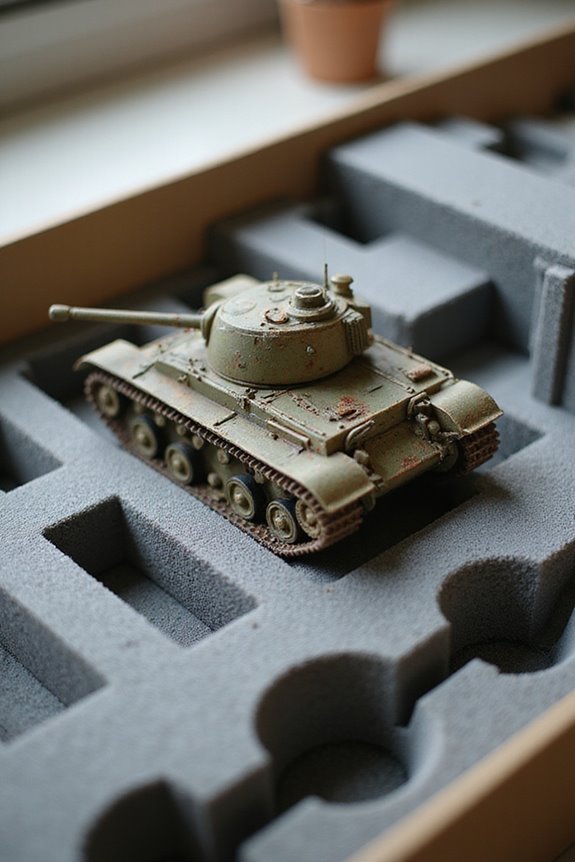
Proper packaging techniques are essential for transporting dioramas safely and securely. Begin by selecting rigid boxes that closely fit the diorama, reducing movement during transit. Use layered packaging, starting with bubble wrap to cushion each delicate component. Wrap those parts individually and utilize foam inserts to fill voids, absorbing any shock. Consider disassembling the diorama into sections and create modular compartments using custom foam-cut designs to cradle each segment. This setup minimizes impact and vibration. Place a rigid plexiglass sheet above the model for extra protection from external pressure. Ascertain no part overhangs or touches another, preventing accidental damage. Finally, seal the box firmly to keep contents immobile throughout transport. Additionally, ensure that the packaging material is high-quality acrylic to provide optimal protection against impact during transport.
Recommended Products
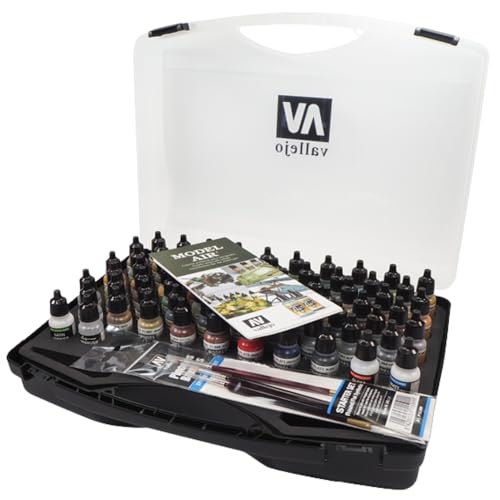
Complete airbrush-ready set: Includes 68 historically accurate colors form the Model Air range, 3 varnishes, 1 airbrush thinner and 3 synthetic brushes, as well as a color chart, giving you everything needed for immediate painting out of the box

Value Pack Cardboard Display Boxes: this set includes 20 pcs cardboard diorama boxes, each measures approximately 11.8 x 8.3 x 8.3 inches when assembled, ideal for creating eye-catching models and displays, providing plenty of pieces for classroom activities, craft projects, school assignments, and creative displays
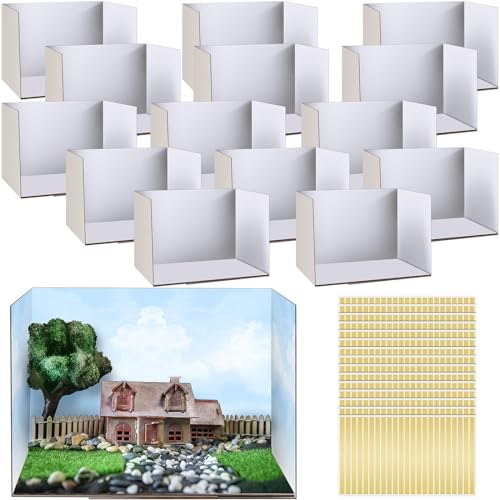
Sufficient Diorama Box: the package contains 15 pieces of diorama boxes with 15 strips of double sided tapes, sufficient quantity for your model demonstrations or handicraft classes
Stabilizing Components for Transport
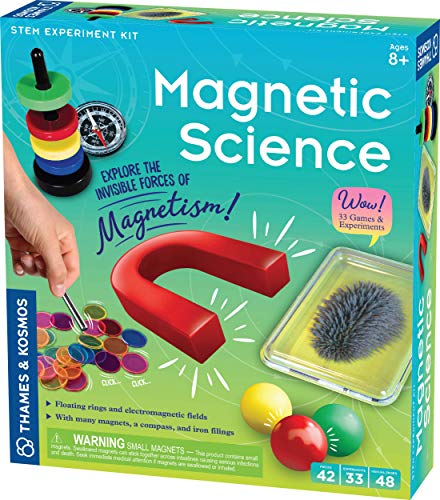
Stabilizing components for transport is essential to prevent damage during movement. Use magnetization techniques to secure model bases, embedding magnets with Green Stuff epoxy putty for a strong adhesive bond. Multiple magnets on larger models improve stability, preventing detachment during transport. Breaking down dioramas into individual magnetized components increases protection.
Incorporate structural reinforcements by using molded-in-place support fillets on fragile parts to avoid breakage. Design diorama panels with double-thickness construction and integrated hinge elements for added strength. Triangular supports enhance shape retention and prevention of deformation during transit. Utilize semi-domed connection pins for firm assembly while allowing for easy disassembly. These methods will collectively guarantee that your diorama remains intact throughout transport. Utilizing precision application techniques can further minimize the risk of damaging delicate details during assembly and transport.
Recommended Products

50-PIECE MAGNETIC TOYS ROADS SET; Includes 40 road tiles, 5 traffic lights, 2 sticker sheets, and various connectors to build dynamic tracks, Ideal for car and train play, compatible with other magnetic tiles, fostering creativity and problem-solving skills

Semi Enclosed Display: The diorama box adopts semi closed design, which is convenient to display and view models. The edge can be cut according to needs, and the pure white cardboard can also play your creative DIY painting.
Environmental Control During Transit

Ensuring the safety of dioramas during transport extends beyond stabilizing components; it also involves managing environmental conditions. To begin with, implement temperature management to maintain a stable climate within the packaging. Use insulated containers to shield against external temperature changes, avoiding direct sunlight or heat sources. For humidity control, seal dioramas in moisture barrier bags with desiccant packets to combat excess moisture, which can lead to swelling or mold. Monitor humidity levels with hygrometers, ensuring they stay between 40-60%. Additionally, consider using cold or gel packs in hot conditions to maintain a cool environment without condensation. By actively managing both temperature and humidity, the integrity of the diorama can be preserved throughout transit, preventing damage from environmental fluctuations. Finally, ensure that your chosen packaging is made from high-quality, durable materials to withstand handling during transport.
Recommended Products

EFFECTIVE ABSORBING: Vacplus dehumidifier bags use Spherical calcium chloride to enlarge the area to absorb quickly. One-way moisture permeable paper absorbs effectively. 500 ml/pack large capacity moisture absorption keep dry for a long time.

EFFECTIVE ABSORBING: Vacplus dehumidifier bags use Spherical calcium chloride to enlarge the area to absorb quickly. One-way moisture permeable paper absorbs effectively. 500 ml/pack large capacity moisture absorption keep dry for a long time.
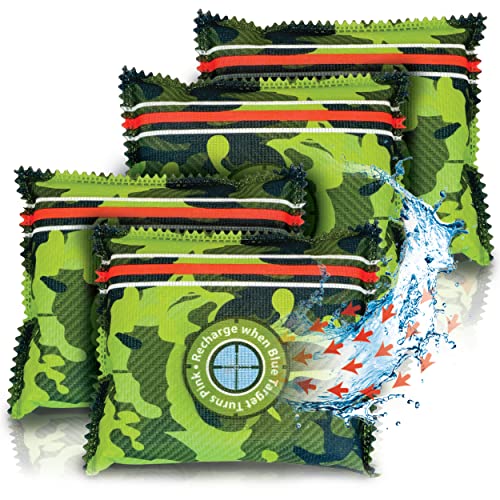
EASY TO USE: This gun safe dehumidifier is incredibly easy to use with no wires or batteries required. Simply place the desiccant bag in your safe, and it will immediately begin to absorb excess moisture and humidity, ensuring that your guns and valuables stay protected. Once full simply put the dehumidifier in the microwave for 6 minutes and it is ready for reuse. Don’t have a microwave? Place bag on a radiator or in direct sunlight until the indicator turns bright blue again!
Best Practices for Handling and Movement

Transporting dioramas requires careful handling to prevent damage and guarantee their safe arrival. First, follow strict handling protocols by minimizing manual lifting, using dollies or tools instead. Always handle boxes with both hands and avoid sudden movements. Next, adopt effective movement strategies. Label containers as “Fragile” and indicate proper orientation. Load and unload containers on level surfaces to avoid tipping. Disassemble dioramas into smaller sections and cushion each piece individually to prevent contact damage. Use sturdy containers tailored to the diorama’s size for added protection. Secure packaging with straps inside transport vehicles to avoid shifting. Always utilize multiple trained staff for lifting to further reduce the risk of accidents. Additionally, consider using foam trays for miniature storage to add an extra layer of protection during transit. Following these steps guarantees safe transport and protects intricate details.
Recommended Products

STURDY FOAM THAT HOLDS ITS SHAPE – Thick, rigid construction supports meat, liquids, and materials without bending or collapsing during use. Reliable for kitchen prep, storage, and projects where flimsy trays can’t handle weight or pressure.

Ample Quantity: Contains 150 white foam trays, sufficient for your daily needs and replacements in the family; you can also share these multipurpose trays with friends or neighbors in festivals or outdoor activities for food packing and DIY handicrafts

EMPTY FOAM TRAY FOR 10 PC SOFTFINISH SET
Conducting Post-Transport Inspections
Immediately following transport, a thorough inspection of the diorama is essential to identify any damage or alterations. Start by utilizing an inspection checklist to systematically evaluate condition. Record all observations, noting any cracks, chips, or displacements immediately. Capture detailed photographs of delicate areas, as this aids in assessment and future references. Additionally, compare findings with transport documentation to pinpoint new issues. Verify all mounted elements remain secure, checking for stress signs in joints and supports. Assess for dust, moisture, or foreign debris that may have infiltrated during transport. Finally, if the diorama includes mechanical parts, perform operational tests to confirm functionality. This diligent approach verifies the diorama retains its integrity and beauty post-transport.
Restoring and Maintaining Diorama Integrity
Restoring and maintaining diorama integrity require careful attention and structured methods. First, remove any damaged elements gently to prevent further breakage. This step is essential for material preservation. Next, understand the chemical composition of the materials used. For example, avoid solvents like acetone on acrylic surfaces to protect original paint. When reattaching restored components, verify they are positioned exactly as before. This maintains both authenticity and visual appeal. Utilize discreet internal supports to stabilize fragile parts. Consider adding modern elements without adhesives, allowing for temporary updates that do not harm the original structure. Finally, document each restoration technique used to aid future conservation efforts and maintain the diorama’s educational value.
Frequently Asked Questions
What Materials Are Best for Making Custom Mounts?
For effective custom mounting techniques, durable materials such as wooden supports or foam blocks are recommended. Additionally, incorporating protective cushioning materials like soft fabric or bubble wrap can enhance stability and safeguard against damage during transportation.
How Do I Choose the Right Vehicle for Transport?
Choosing the right vehicle for transport requires careful consideration of vehicle size and transport stability. A larger vehicle enhances stability while preventing excessive movement, ensuring secure transportation of delicate items without risking damage during transit.
Can I Use Regular Packing Tape for Securing Dioramas?
Using packing tape on diorama details is inadvisable due to its potential for leaving sticky residue, causing surface damage, and stressing delicate components. Alternative options exist that better preserve and protect intricate diorama features during transport.
What Should I Do in Case of Accidental Damage During Transport?
In the aftermath of calamity, one should meticulously conduct damage assessment, revealing fragile intricacies. Employ repair techniques to stabilize while documenting each step, ensuring reverence for the delicate art, readying it for restoration’s embrace.
How Long Can I Expect the Acclimatization Period to Last?
Acclimatization duration varies considerably depending on environmental factors such as temperature, humidity, and materials used. Conservators monitor condition over days to weeks, evaluating stability before handling or displaying the diorama in its new environment.